
上映:
1948-11-19
更新:
2025-11-08 00:20:33,最后更新于5月前
备注:
HD中字
评分:
7.4分
评价:


TAG:
剧情:
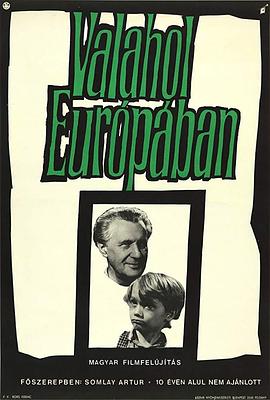
Somewhere in the remote region, the war ends. In the midst of ruined cities and houses in the streets, in rural hamlets, everywhere where people still live, are children who have lost their homes and parents. Abandoned, hungry, and in rags, defenseless and humiliated, they wander through the world. Hunger drives them. Little streams of orphans merge into a river which rushes forward and submerges everything in its path. The children do not know any feeling; they know only the world of their enemies. They fight, steal, struggle for a mouthful of food, and violence is merely a means to get it. A gang led by Cahoun finds a refuge in an abandoned castle and encounters an old composer who has voluntarily retired into solitude from a world of hatred, treason, and crime. How can they find a common ground, how can they become mutual friends The castle becomes their hiding place but possibly it will also be their first home which they may organize and must defend. But even for this, the price will be very high. To this simple story, the journalist, writer, poet, scriptwriter, movie director, and film theoretician Béla Balázs applied many years of experience. He and the director Géza Radványi created a work which opened a new postwar chapter in Hungarian film. Surprisingly, this film has not lost any of its impact over the years, especially on a profound philosophical level. That is to say, it is not merely a movie about war; it is not important in what location and in what period of time it takes place. It is a story outside of time about the joyless fate of children who pay dearly for the cruel war games of adults. At the time it was premiered, the movie was enthusiastically received by the critics. The main roles were taken by streetwise boys of a children's group who created their roles improvisationally in close contact with a few professional actors, and in the children's acting their own fresh experience of war's turmoil appears to be reflected. At the same time, their performance fits admirably into the mosaic of a very complex movie language. Balázs's influence revealed itself, above all, in the introductory sequences an air raid on an amusement park, seen in a montage of dramatic situations evoking the last spasms of war, where, undoubtedly, we discern the influence of classical Soviet cinematography. Shooting, the boy's escape, the locomotive's wheels, the shadows of soldiers with submachine guns, the sound of a whistle—the images are linked together in abrupt sequences in which varying shots and expressive sharp sounds are emphasized. A perfectly planned screenplay avoided all elements of sentimentality, time-worn stereotypes of wronged children, romanticism and cheap simplification. The authors succeeded in bridging the perilous dramatic abyss of the metamorphosis of a children's community. Their telling of the story (the scene of pillaging, the assault on the castle, etc) independently introduced some neorealist elements which, at that time, were being propagated in Italy by De Sica, Rossellini, and other film artists. The rebukes of contemporary critics, who called attention to formalism for its own sake have been forgotten. The masterly art of cameraman Barnabás Hegyi gives vitality to the poetic images. His angle shots of the children, his composition of scenes in the castle interior, are a living document of the times, and underline the atmosphere and the characters of the protagonists. The success of the picture was also enhanced by the musical art of composer Dénes Buday who, in tense situations, inserted the theme of the Marseilaise into the movie's structure, as a motive of community unification, as an expression of friendship and the possibility of understanding. Valahol Europaban is the first significant postwar Hungarian film. It originated in a relaxed atmosphere, replete with joy and euphoria, and it includes these elements in order to demonstrate the strength of humanism, tolerance, and friendship. It represents a general condemnation of war anywhere in the world, in any form.收起
相关影片
2025剧情片美国,英国,法国
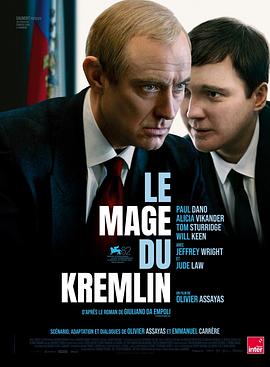
裘德·洛 杰弗里·怀特 丹·凯德 保罗·达诺 汤姆·斯图里奇 威尔·基恩 艾丽西亚·维坎德 安德瑞斯·凯斯 安东·利特维诺夫 Matthew·Baunsgard 亚历山大·约翰逊 Sergey·Podymin Magne-Håvard·Brekke Anastasia·Sutter
20世纪90年代初的俄罗斯,在后苏联时代的混乱局势中,才华横溢的年轻人瓦迪姆·巴拉诺夫规划着自己的人生道路。他先是一名艺术家,后来成为真人秀制作人,最终成了一位崛起中的克格勃特工——弗拉基米尔·普京的
更新HD
2025剧情片法国/其它/其它/其它/立陶宛
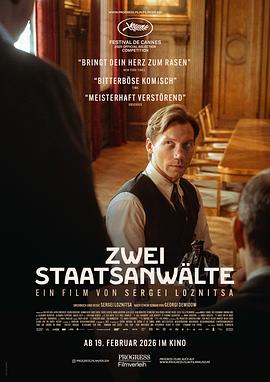
影片围绕一位名叫科尔涅夫的年轻检察官展开,他来自俄罗斯的一个偏远省份,前往莫斯科向最高司法机构揭发他目睹的不公现象。他对正义的执着追求将他带入了一个意想不到的境地。
更新HD

2025剧情片西班牙
恩尼科·萨伽多伊 帕科·莱昂 玛莉亚·加利亚纳 安娜·卡斯蒂罗 罗拉·罗德里格兹 马努·里奥斯 Nico·Montoya Nagore·Aranburu Elisabeth·Martínez 阿丽娜·拉祖梅科 Usúe·Álvarez Esperanza·Guardado Delphina·Bianco Iñigo·de·la·Iglesia Isabel·Miguel·Hernanz
My Dearest Señorita, produced by Javier Calvo and Javier Ambrossi, is an adaptation of the 1972 Osca
正片

2026剧情片中国大陆
更新HD
2026剧情片荷兰
正片

2026剧情片美国
弗兰克·格里罗 哈威·凯特尔 泰瑞斯·吉布森 布莱特·卡伦 彼得·斯特曼 雅各布·雅迪斯 约瑟夫·朱利安·索里亚 尼克·罗兰 塔利亚·亚瑟拉夫 Franzi·Schissler Sescily·Leon·Connell Brian·Kurlander Jackie·Andrews Mark·Baggs John·R.·Bennett·II
犯罪泛滥的未来,一家权力企业垄断监狱系统,为罪犯发放致命手表,逼迫他们互相残杀以换取自由。埃勒拉是被操控的杀手之一,她必须在生死猎杀中活下来,却发现自己有着双重身份——她既是企业的棋子,也是系统内部的
更新HD

2026剧情片中国大陆
家庭事业美满的唐小宝拥有一颗不安分的内心,在外招摇撞骗,当遇到了青春靓丽的曼尼便一发不可收拾,两人陷入不伦情感之中。 很快唐小宝在外面的事被妻子汪丽敏发现,家庭陷入危机之中。 唐小宝在情人和家庭之间疲
正片
2026剧情片大陆
更新HD

2026剧情片中国大陆
更新HD
2026剧情片日本
正片
2026剧情片新西兰,加拿大
米瑞安·玛格莱斯 杰基·韦佛 朱迪·戴维斯 娜塔莉·博尔特 约翰·贝西 乔尼·布鲁 克里格·霍尔 Tanea·Heke 伊莱贾·塔马蒂 Joel·Blakely-Clark Alex·Greig Dior·Manaia·Tamati Tuakoi·Ohia Darci·Wilson Max·Lloyd-Jones
1974年的新西兰,10岁毛利男孩布莱恩因母亲离世陷入悲痛,与父亲的新家庭格格不入,离家出走后躲进了一所濒临倒闭的修道院。他无意中偷听到神父与主教的阴谋——他们打算卖掉修道院,将修女们送进养老院。布莱
正片

2026剧情片美国
弗兰克·格里罗 哈威·凯特尔 泰瑞斯·吉布森 布莱特·卡伦 彼得·斯特曼 雅各布·雅迪斯 约瑟夫·朱利安·索里亚 尼克·罗兰 塔利亚·亚瑟拉夫 Franzi·Schissler Sescily·Leon·Connell Brian·Kurlander Jackie·Andrews Mark·Baggs John·R.·Bennett·II
犯罪泛滥的未来,一家权力企业垄断监狱系统,为罪犯发放致命手表,逼迫他们互相残杀以换取自由。埃勒拉是被操控的杀手之一,她必须在生死猎杀中活下来,却发现自己有着双重身份——她既是企业的棋子,也是系统内部的
HD中字

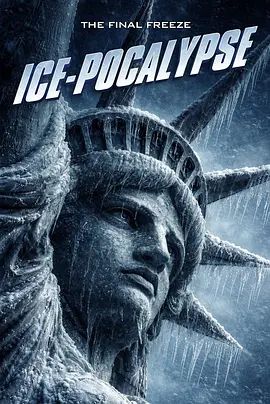
2026剧情片美国
正片
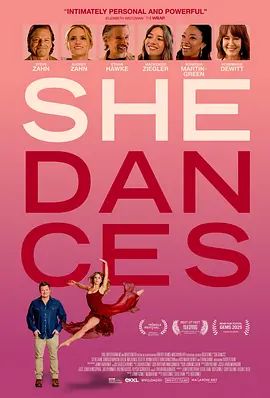
2025剧情片美国
这部电影以重新发现家庭为中心,学会接受现状,让它把你塑造成诚实和鼓舞人心的人。
正片